
We would love to learn about your project and if you feel The Chameleon Agency might be the right agency to support you. Please get in touch for a no obligations chat to see if we’re right for each other.

Barely a week goes by in 2026 without a new AI tool landing in an industry inbox, and the Events space is no different. That said, not all AI innovation is created equal – and two stories that crossed my desk this month sit at very different ends of the spectrum. One left me uneasy; the other genuinely excited.
The events industry is undergoing a significant transformation, and AI is no longer a future talking point on a conference panel – it’s now being actively woven into the platforms and workflows running events. As someone who thinks carefully about how technology shapes client experience and attendee relationships, it’s worth separating the genuinely useful from the gimmicky.
The first story involves Dreamland (NASDAQ: TDIC), whose subsidiary Trendic International has signed a memorandum of understanding with Hong Kong-based LinkFung Innovation to develop an AI-powered image library platform. The proposed system would combine real-time facial recognition, automated content tagging, cloud infrastructure, and AI-driven media analytics – with events as a key use case for identifying and cataloguing attendees in photographs.
On paper, the pitch is straightforward: never lose a photo of yourself from an event again. The system would theoretically tag you automatically in the media library, making image retrieval seamless for organisers and, ostensibly, attendees.
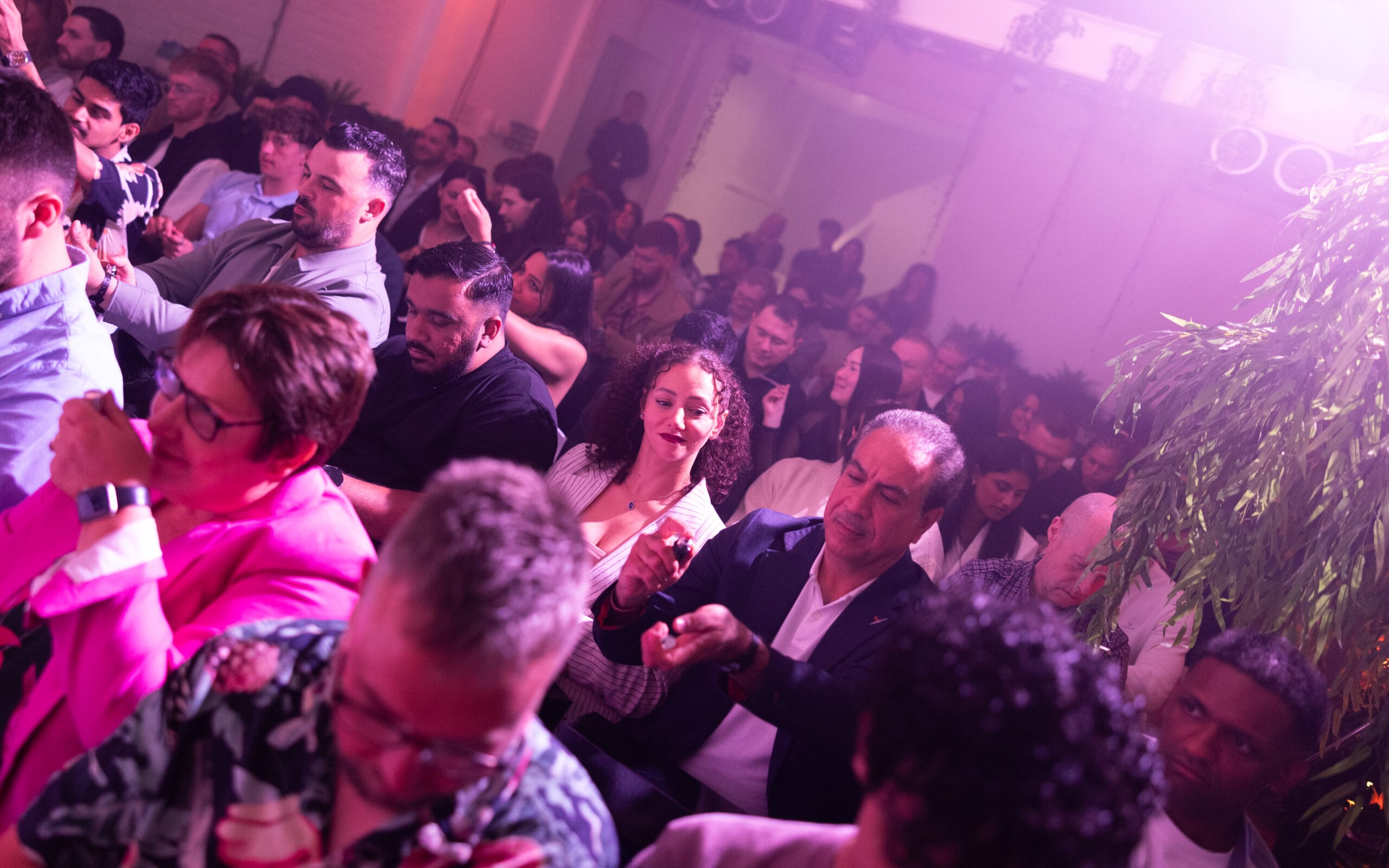
My immediate reaction was: this is too Big Brother. I genuinely cannot think of where this provides a meaningful benefit to the person actually attending the event. Maybe there’s something in it for organisers from an analytics perspective, but for the attendee? The experience of a conference, a product launch, or a corporate gala should be one of engagement and connection – not the subtle awareness that your face is being catalogued by a system you never opted into. In a post-GDPR Europe, the legal exposure alone should give any event agency pause.
There is also a more fundamental problem: gimmicks dressed as innovation distract from the things that actually improve events. If you are spending budget on facial recognition infrastructure, that is budget not spent on better content, more considered attendee journeys, or the human touches that make an event memorable.
The second story is a different proposition entirely. EventsAir – the Australian-headquartered event management platform that has powered over 400,000 events globally – has launched Air Intelligence, a suite of AI assistants built directly into its platform.
The suite has three tools. The Attendee Assistant, already live in the EventsAir mobile app, answers real-time attendee questions – session locations, schedule changes, sponsor information – drawing from live event data. The Content Assistant helps planners draft event communications: emails, descriptions, and announcements. And the forthcoming Planner Assistant will let planners ask plain-language questions about their own event data: “Which sessions are underperforming?” or “How are registrations tracking against last year?”
What strikes me most is that this mirrors how effective professionals are already choosing to use AI. I use Gemini within Gmail, Otter for meeting transcripts, and Claude for research and drafting – and in every case, the value comes from having a direct, conversational interface with data I already own. You ask a clear question; you get a direct answer. No intermediate steps, no report builder, no waiting.
EventsAir is applying exactly that logic to event management. A planner mid-event does not have time to export an attendance report, open a spreadsheet, and cross-reference booking data. But they absolutely have sixty seconds to ask “how is afternoon session uptake looking compared to this morning?” and get an instant answer. That is a genuine time-saver in one of the most pressure-filled professional environments there is.
The Attendee Assistant is equally smart in its simplicity. How many times does event floor staff answer the same question – where is room 4B, what time does the keynote start, is the networking lunch included? Putting that in the attendee’s hand, powered by live data, is not a gimmick. It’s a sensible solution to a real and recurring friction point.
These two stories, arriving almost simultaneously, illustrate the fork in the road the events industry is navigating right now. The organisations that will benefit most from AI are not those that adopt it because it sounds impressive in a pitch deck – they are the ones that adopt it because it solves a specific, identifiable problem for the people in the room.
Attendees are guests, and technology that enhances their experience – faster answers, smoother logistics, better information – is welcome. Technology that watches them, tags them, and builds a data record of their physical movements is not a hospitality tool. It is a surveillance tool wearing hospitality clothing.
As a leading event management agency, we hold a clear position: AI in events should make humans feel more supported, not more observed. The question we ask of every technology is simple: does this serve the person in the room? EventsAir’s approach answers that with a confident yes. As I see it, the facial recognition path does not.
We would love to learn about your project and if you feel The Chameleon Agency might be the right agency to support you. Please get in touch for a no obligations chat to see if we’re right for each other.

Chameleon Agency
Colony, Piccadilly Place,
5 Aytoun St
Manchester
M1 3BR